एसईओ को भूल जाओ। GEO (जनरेटिव इंजन ऑप्टिमाइज़ेशन) में आपका स्वागत है
 मल्टीलिपि
•
Jan. 12, 2026
•
10 मिनट लाल
मल्टीलिपि
•
Jan. 12, 2026
•
10 मिनट लाल
If you feel like your hard-won search traffic is evaporating, you’re not imagining it. A seismic shift is underway in how people find information online. For decades, Search Engine Optimization (SEO) meant chasing those top 10 blue links on Google, optimizing keywords and backlinks to win clicks from a list of search results. But in 2026, users are increasingly not clicking at all.
They’re getting single, synthesized answers from AI chatbots and search engines themselves, without ever visiting a website. Welcome to the era of जनरेटिव इंजन ऑप्टिमाइज़ेशन (GEO) a new approach focused not on ranking in search results, but on being the trusted source भीतर AI-generated answers.
Key Insight: Traditional SEO was about winning clicks from search results; GEO is about earning citations in AI-driven answers. In other words, you’re not just competing for rank, you're competing to be the answer itself. MultiLipi Ecommerce Guide
SEO vs. GEO: From Blue Links to Answer Engines
To understand why GEO is the new mandate, let’s first clarify the distinction between the old game and the new reality.
What is SEO (Search Engine Optimization)?
SEO is the practice of optimizing your website to rank higher in search engine results pages (SERPs) so that users click through to your site. Success in SEO has long been measured by organic traffic and rankings. Key tactics include targeting specific keywords, earning backlinks to build authority, and ensuring technical health. Essentially, you optimize content and metadata so that when a user searches, your page appears among a list of links hopefully near the top. SEO guide MultiLipi
The ultimate goal has always been to attract a click from the SERP to your site ; it was about competing for visibility among other links. However, this model is showing its age. Today, Google’s featured snippets, Knowledge Panels, and new AI-powered summaries are delivering information directly on the results page. Even more disruptive, AI chatbots like ChatGPT or Bing Chat can answer questions using their trained knowledge or by fetching info from the web—often without attributing a visible link for the user to click.
What is GEO (Generative Engine Optimization)?
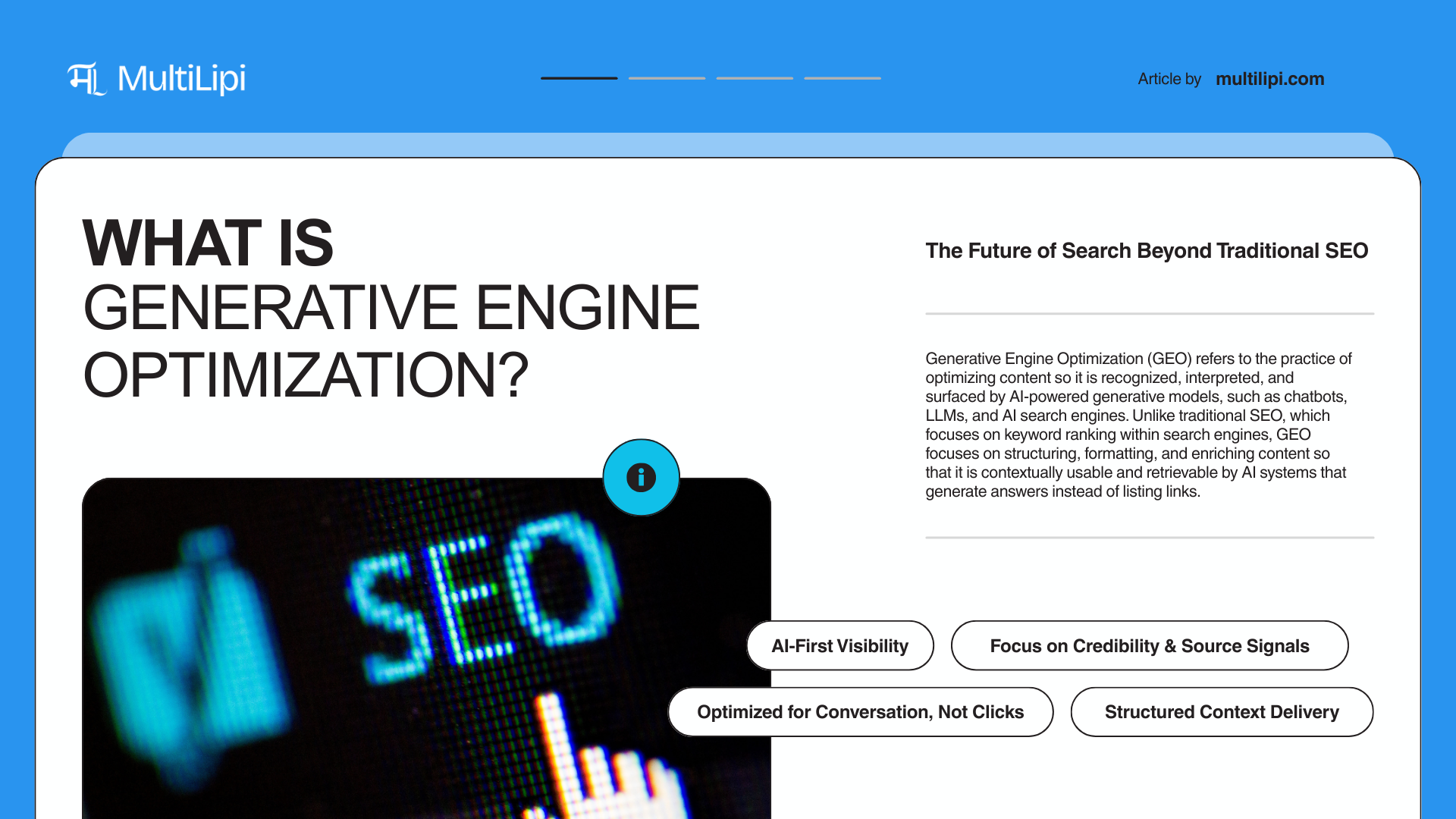
Generative Engine Optimization (GEO) is the practice of optimizing your content specifically for AI-driven answer engines rather than just traditional search engines. In plain terms, GEO is about making your content quotable and citable by AI systems like ChatGPT, Google’s Search Generative Experience, and Amazon Alexa.
Instead of fighting to be result #1 on a page of links, you’re fighting to be the source that an AI pulls into its single synthesized answer. Success isn't measured just by clicks, but by citations, mentions, and visibility within AI answers. The user might never click your link—but your brand’s insight still influenced their decision. This is a fundamental shift: from attracting visits to providing value directly in the answer.
Why GEO Is the New Standard for 2026
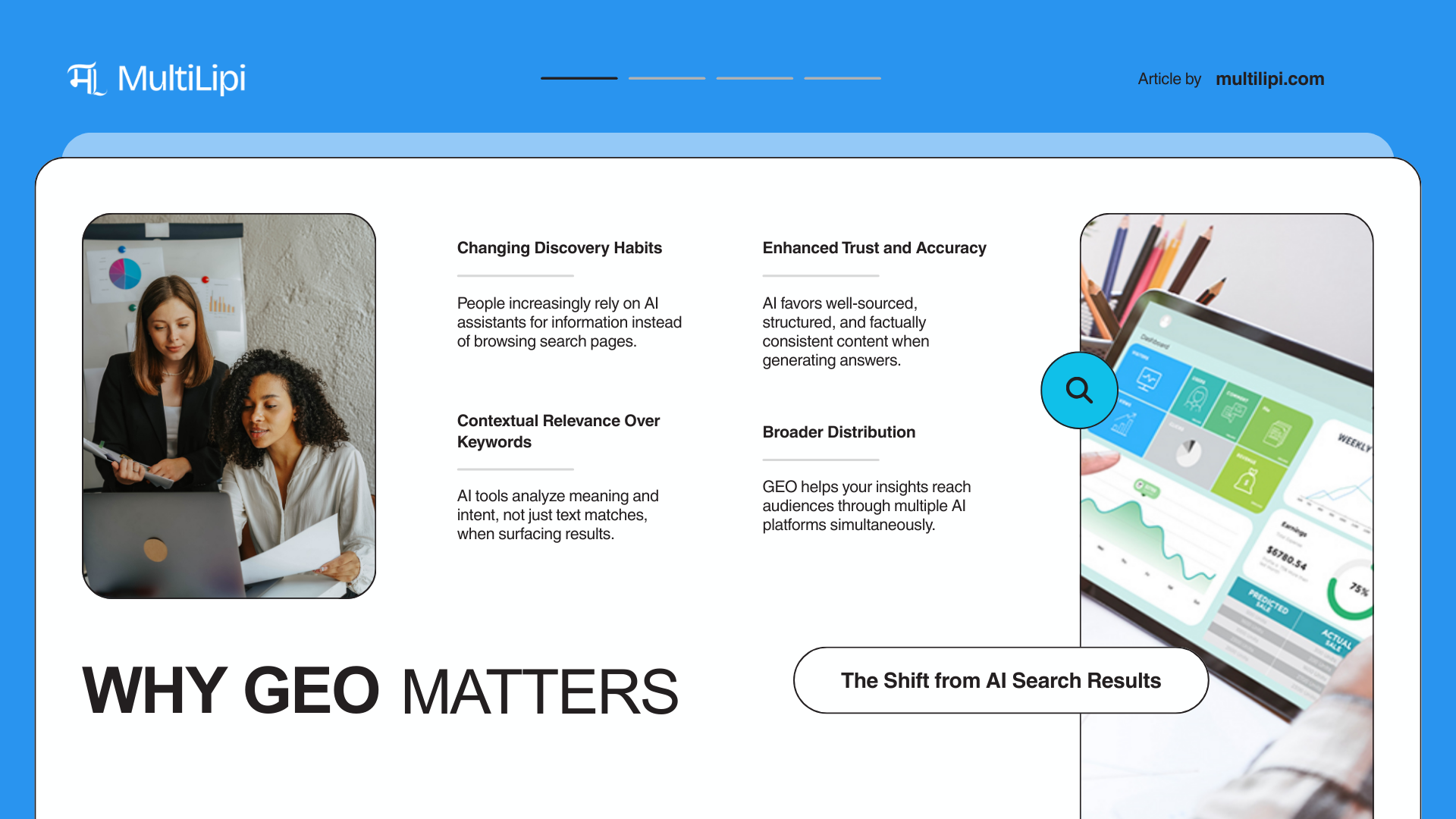
The shift to GEO is driven by dramatic evolutions in user behavior and search technology. Sticking to traditional SEO alone means fading into obscurity.
- Explosion of Zero-Click Searches: More than half of searches now end without a click. By mid-2025, 65% of Google searches resulted in zero clicks. On mobile, this rate can be as high as 77%.
- AI Cannibalization of Traffic: One study found that when Google’s AI Overview appears, organic click-through rates (CTR) drop by 61%.
- AI as a Primary Research Tool: 89% of B2B buyers use generative AI like ChatGPT for research and comparison during their buying journey.
- Changing Consumer Expectations: Users now expect direct, concise answers on demand. AI search queries average 23 words because people ask detailed questions in natural language, unlike the terse 3-5 word queries in classic search.
- The Projected Decline of Organic Traffic: Gartner predicts that by 2028, organic search traffic to brand websites will drop by 50% or more due to AI-powered search.
The GEO market is rapidly growing, valued at $886 million in 2024 and projected to reach $7.3 billion by 2031. GEO is poised to become as fundamental as SEO has been for the past two decades.
The GEO Playbook: Optimizing for Answer Engines
Practicing GEO requires focusing on a few key pillars that make your content "AI-friendly".
1. Answer-First Content
Don’t bury the lede. For every important question your audience might ask, provide a clear, direct answer up front. This might mean opening your blog posts with a one-paragraph summary or a dedicated FAQ section. Use heading tags for questions (e.g., an H2 that says “What is Schema Markup?”) and answer it immediately after. This strategy is emphasized in our Guide to Multilingual SEO for building content that works across languages and platforms.
2. Structured Data & Schema Markup
Schema markup turns your content into machine-friendly data. AI systems love this because it removes ambiguity; for instance, FAQ schema explicitly tells an AI, "Here is a question and here is its answer". Pages with FAQ schema have significantly higher citation rates in AI answers than those without. For multilingual sites, ensure you localize your schema to signal language-specific content properly a topic we cover in our Ultimate Hreflang Tag Guideतथा Multilingual Schema Markup Guide.
3. Entity Focus (Semantic SEO)
AI models understand entities—people, places, concepts, and products—rather than just keywords. Make it crystal clear what entities your content is about by using standard terms and providing context. Define new or niche terms, as we have done with GEO in this article. Internally linking to these definitions can boost your topical authority; for more on this, see our guides on Cultural Nuance in SEO or the मल्टीलिपि डैशबोर्ड .
4. Authority and Trust Signals
AI answer engines are extremely picky about which sources to trust, preferring authoritative, well-established sites. To build trust, ensure your facts are backed by sources, linking out to authoritative entities like Google or Gartner.
The Shift from SEO to GEO: A Strategic Breakdown
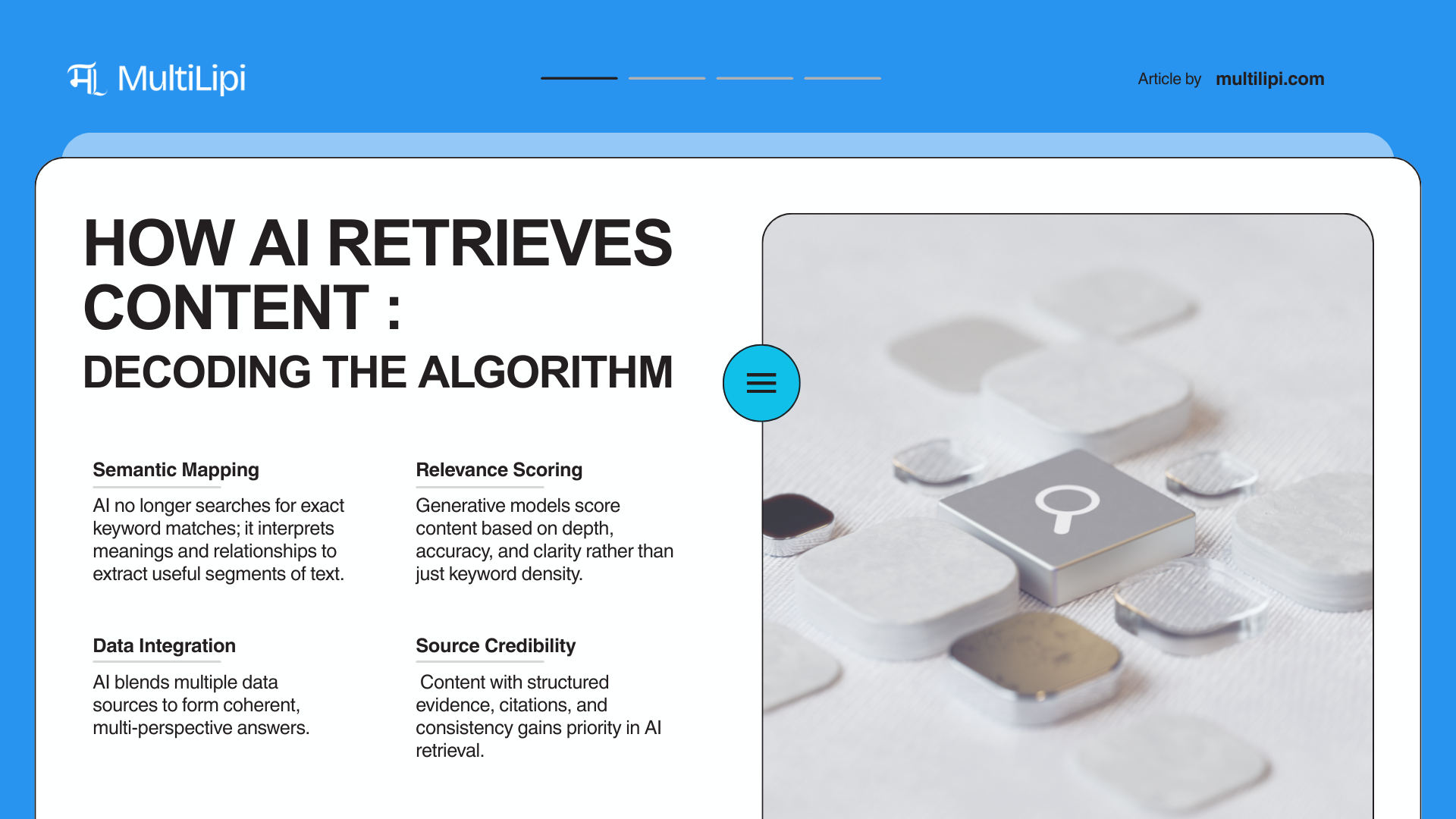
The transition from traditional search to generative engines marks a fundamental change in how digital content is valued and discovered. Here is how the two strategies compare across five critical dimensions:
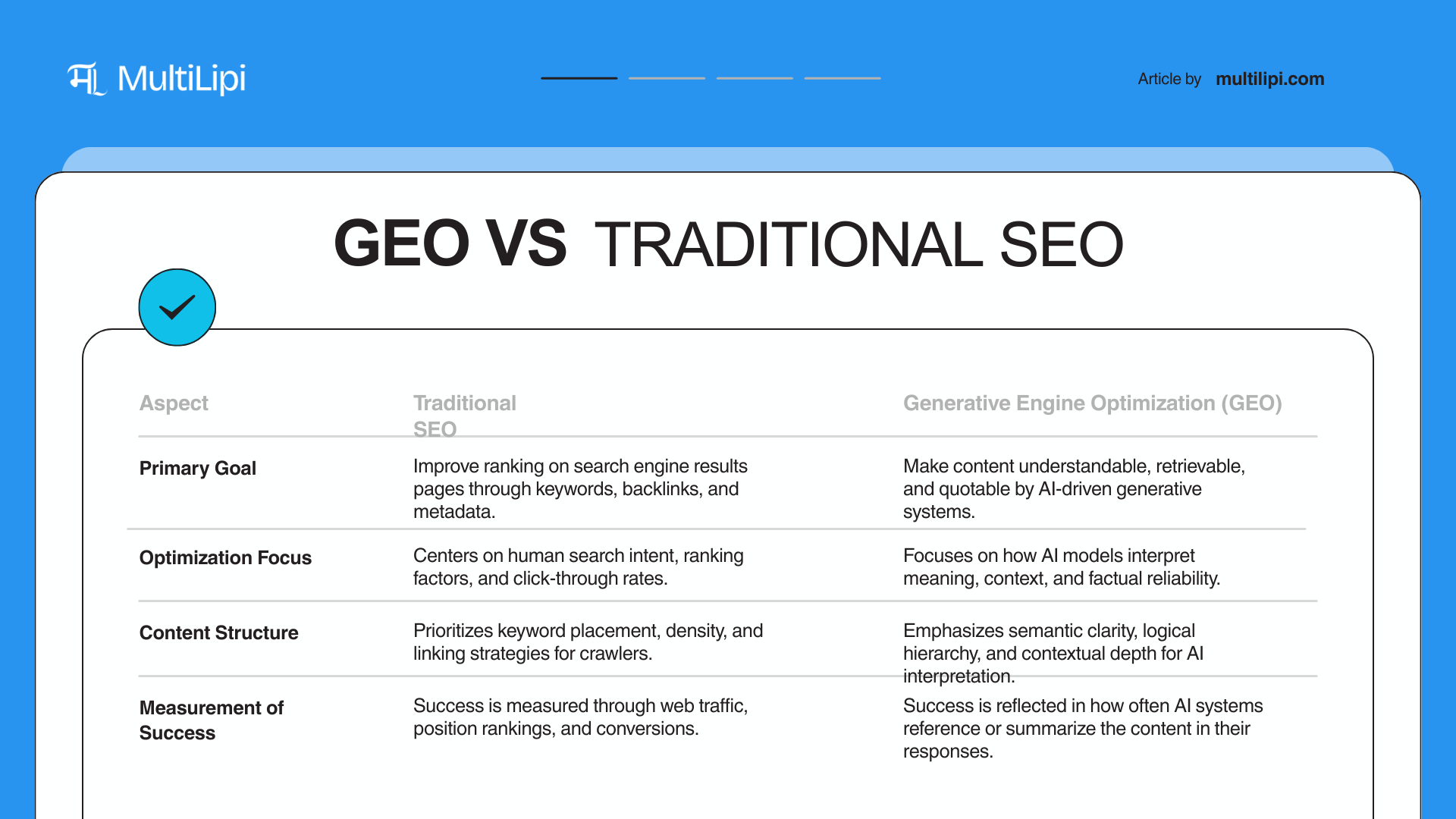
- Primary Goal: The objective of traditional SEO is to achieve ranked links and drive organic clicks to a specific website. In contrast, the primary goal of GEO is to secure inclusion within AI-generated answers.
- Success Metrics: Success in the SEO era is measured by total organic traffic and keyword rankings. However, GEO success is quantified through the frequency of AI citations and the volume of brand mentions within synthesized results.
- Core Tactics: SEO tactics center on the strategic use of keywords and the acquisition of backlinks. GEO requires a shift toward optimizing for entities, implementing detailed schema markup, and establishing strong authority signals.
- User Interaction: The SEO model follows a "search-and-click" pattern, where users navigate a list of links. GEO facilitates an "ask-and-receive" model, providing a single, synthesized answer directly to the user.
- Competitive Landscape: In SEO, you are competing against other web pages for visibility on a results page. In the world of GEO, your content must compete against the vast, integrated knowledge graph of the entire AI engine
The Multilingual GEO Challenge
For international websites, GEO adds a new layer of complexity.
- Cultural Nuance: AI tries to present answers in a culturally relevant way. If your content is translated word-for-word, it may be overlooked in favor of content that fits the local context. Our Cultural Code Guide helps you crack this code so your content feels native.
- Local SEO Signals: Technical elements like hreflang tags and localized sitemaps are critical. Without them, an AI might machine-translate your English site for a Spanish user rather than citing your Spanish page. Use our Ultimate Hreflang Tag Guide to avoid this.
- Knowledge Transfer (MUM): Advanced AI can transfer knowledge between languages. Your English content might answer an Italian query without giving you credit. Publishing summaries in multiple languages increases the chance of being cited.
- Authority Bias: AI models often trust dominant language sources (like English) more. Building authority in smaller language markets requires earning local backlinks and mentions. You can track your performance in each market using our Multilingual SEO Dashboard.
Conclusion: Evolve from SEO to GEO
The search landscape has evolved from a "search-and-click" model to an "ask-and-receive" model. GEO is no longer optional; it is the standard for 2026 and beyond.
- Think in Entities and Answers: Supplement keyword research with question and entity research.
- Build Authority Globally: Become a go-to source in every target market. Utilize our Multilingual Content Outreach Guide for local strategies.
- Stay Human-Centric: Don't write for bots; write for people, then format for bots.
At MultiLipi, we are already pivoting from “Multilingual SEO” to “Multilingual GEO,” integrating these principles into our platform to ensure our clients are AI-ready out of the box.
Real-World Success: MultiLipi’s Impact in Action
While the theory of GEO and multilingual SEO is compelling, the true value lies in the measurable growth achieved by brands that have embraced these strategies. At MultiLipi, we have seen firsthand how automating technical SEO and localizing with precision can transform a company's global trajectory.
हमारा MultiLipi Case Studies highlight diverse success stories across various industries. For instance, होटल कॉन्टिनेंटल , a boutique Italian hotel, saw a 120% increase in organic traffic from Germany and France and a 35% surge in direct international bookings after using our platform to launch a perfectly optimized, multi-language site in minutes. Similarly, other clients have leveraged our MultiLipi Alternatives analysis to switch from manual translation to our AI-driven, SEO-focused model, resulting in drastically lower bounce rates and higher engagement across local markets. These results prove that being the "trusted answer" in every language isn't just a technical goal it's a significant revenue driver.
आज ही अपनी बहुभाषी यात्रा शुरू करें
Don’t let your traffic slip away in the era of AI. It’s time to embrace GEO as the future of search visibility.
- नि: शुल्क शब्द गणना उपकरण
- मुफ्त एसईओ ऑडिट टूल
- Free LLMs.txt Generator
- Free Website Hreflang Tag Checker
साइन अप करें या अपने में लॉग इन करें मल्टीलिपि डैशबोर्ड to begin your expansion. For a checklist of actionable tips, grab our SEO vs GEO Comparison Sheet.
टिप्पणियाँ